Classic Fire Engines: Icons of Craftsmanship, Courage, and Community
Monuments to bravery and engineering, they defined the identity of towns, villages and local communities.
From Hand Pumps to Horse Power
The earliest fire engines were simple — hand‑drawn or horse‑pulled carts carrying a manual pump and a water barrel. These machines relied on teamwork and stamina as much as engineering.
Hand‑Operated Pumps
Crews worked side‑mounted levers to build pressure. They were beautifully crafted, often with brass fittings and painted wooden wheels.
Horse‑Drawn Steamers
A leap forward in power and reliability. Steam engines could pump water for hours, making them a favourite of Victorian brigades.
The Golden Age
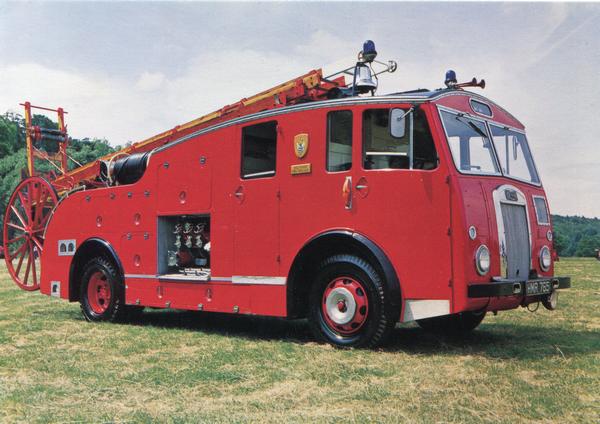
This is the era (1930s - 1960s) most enthusiasts picture when they think "classic fire engine": bold red paint, chrome accents, ladders strapped to the roof, and that unmistakable rounded bodywork.
Key icons of the period:
A British legend. Reliable, elegant, and widely used across the UK.
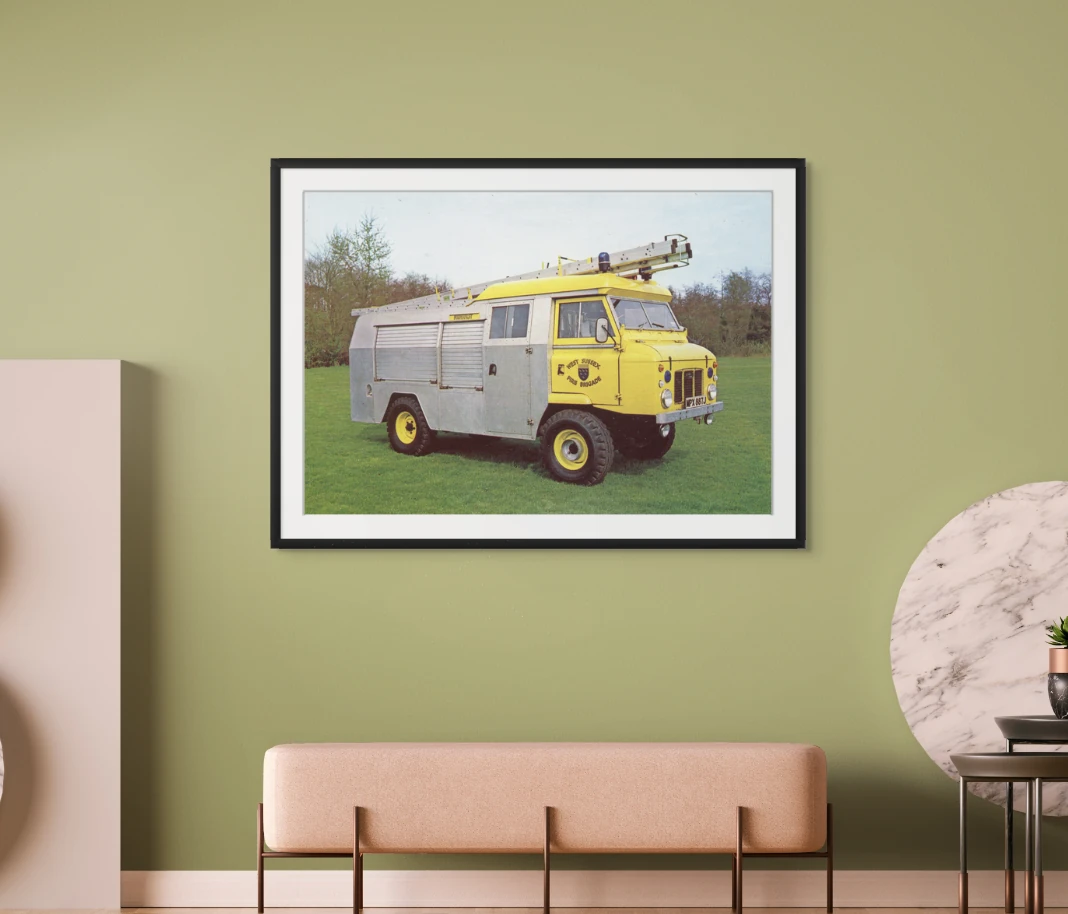
Known for their ruggedness and versatility — many served rural brigades for decades.
American LaFrance & Mack
Sleek, powerful, and dripping with chrome. These engines defined the Hollywood image of firefighting.
There’s something undeniably emotional about these machines:
They represent courage — generations of firefighters who risked everything.
They embody craftsmanship — built in an era when engineering was hands‑on and personal.
And visually? They are stunning.
Today, classic fire engines are lovingly restored by enthusiasts, preserved in museums, and showcased at rallies. They remind us of a time when firefighting was raw, physical, and deeply rooted in local identity.